Warframe's Rebecca Ford Calls Bungie Ending Destiny 2 'Cataclysmic'
Rebecca Ford, creative director of Warframe, publicly criticized Bungie's decision to stop developing Destiny 2 as "unthinkable" and "cataclysmic," arguing that live-service games can remain creatively viable for over a decade as Warframe has demonstrated. Ford's on-the-record criticism carries particular weight because Digital Extremes has successfully maintained a thriving live-service game for years, giving her credible standing to challenge what she views as a business-driven abandonment of a player community.
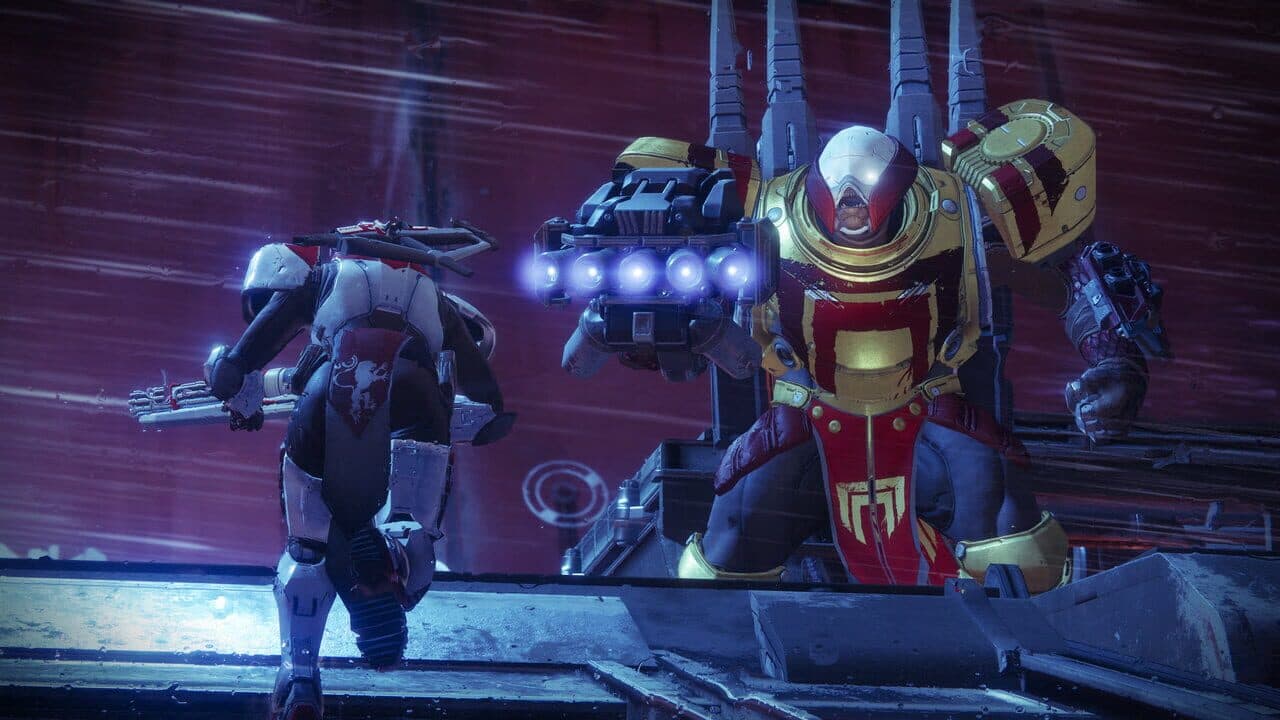
Rebecca Ford, creative director on Warframe, did not take the news of Destiny 2 winding down quietly. In recent comments, she called Bungie's decision to stop developing one of the biggest live-service games of the last decade "unthinkable" and "cataclysmic," and made it clear she was speaking as much as a player as a peer.
"There is no world where it makes sense from someone who, you know, enjoys video games that you can just do that," Ford said. She went further: "There is no Warframe without the legacy of Bungie games." That's a remarkable thing for the creative lead of a direct competitor to say out loud. It's also the part Bungie's PR team probably wishes had stayed in the group chat.
The core tension here isn't really Warframe vs. Destiny. It's creative leadership vs. the business side of live-service games. Ford, along with Digital Extremes community figure Carnage, has been openly skeptical for years of the executive logic that treats a decade-old player community as a line item. "I am making Warframe, I am saying goodbye to the only lasting pillar I had to look up to," Ford said. "You can just end one of the biggest things to hit the gaming industry in the past 10 years." The "you" is doing a lot of work in that sentence.
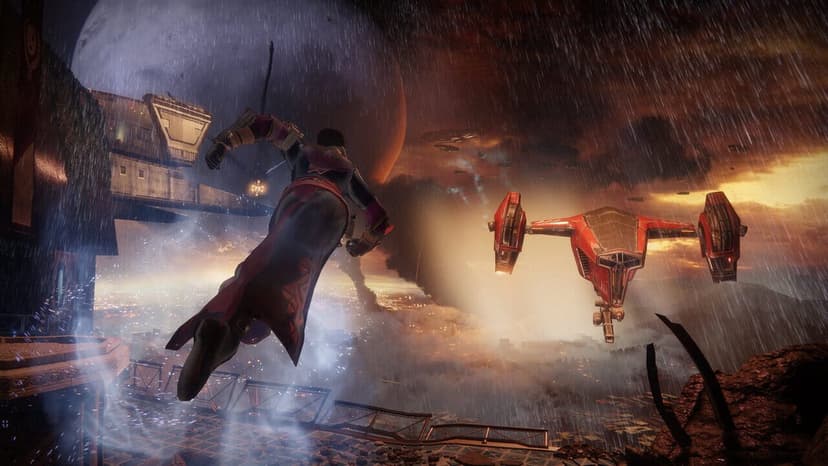
Bungie's position, such as it is, is the one implied by the decision itself: Destiny 2's servers reportedly stay online, but no new content is planned after the current cycle wraps. That's the standard live-service exit — keep the lights on, stop paying the writers. It's been reported across multiple outlets covering the wind-down, though specifics like the exact post-update content cadence haven't been independently confirmed at higher-tier sources. Bungie itself has not publicly responded to Ford's comments.
Ford's grounding is stronger here for a simple reason: she's the one on the record, by name, with a coherent argument. Bungie's silence is its own kind of answer, but it's not a counter-position. The credibility gap matters, too, because Digital Extremes has actually done the thing Bungie is being criticized for not doing — kept a live-service game running and creatively alive for over a decade, through ownership changes and engine overhauls. When Ford says it can be done, she has the receipts.
There's also a quieter subtext worth flagging. Sony reportedly explored acquiring Digital Extremes back in 2020 — a claim that's been floating around for years without firm corroboration, so treat it with appropriate caution. But it sits awkwardly next to the fact that Sony owns Bungie now and is the entity ultimately signing off on Destiny 2's creative wind-down. Ford's comments about business-side decisions read differently when you remember which corporate parent currently looms over both studios' futures, and which one didn't quite close the deal.
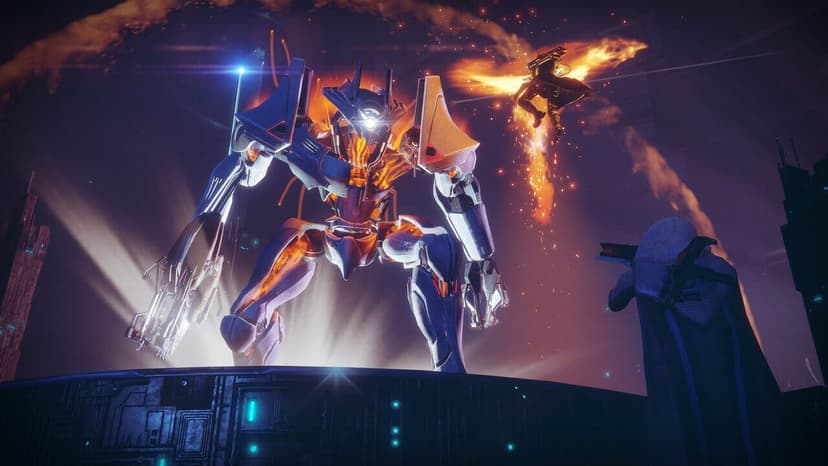
The broader industry reaction has been muted but pointed. Developers tend not to publicly trash other studios' decisions, which is part of why Ford's comments are landing the way they are. Chet Faliszek, among others, has been name-checked in coverage of the fallout, and the conversation among live-service developers is reportedly less about whether Bungie made the right call and more about what it signals for the genre. If Destiny 2 — a game with Sony's backing, a massive install base, and a decade of brand equity — can be told to stop, the math for everyone else gets a lot scarier.
The live-service model has always quietly relied on the threat that the plug can be pulled at any moment. Destiny 2 just made that threat literal at a scale nobody had really seen before. Ford's anger is sharper because Warframe's whole identity is the counterexample: the game that didn't get cancelled, didn't get rebooted, didn't get folded into a sequel nobody asked for. She's not just defending a rival. She's defending the premise that any of this is sustainable.
Whether Bungie or Sony respond is the open question. The smart money says they won't.
AI-assisted · Human reviewed
Drafted with AI assistance against Last Spawn's editorial standards, then reviewed and approved by the editorial desk before publication. How we work →
Queen's Blood Eats the Gold Saucer: What FF7 Revelation Interviews Just Revealed
Tupac's Estate Approved His Stranger Than Heaven Cameo. The Executor Who Signed Off Is Being Sued for Embezzlement