Sega Confirms Generative AI Built the Buildings in Crazy Taxi: World Tour
Sega disclosed that generative AI was used to create in-game assets like buildings and signs for Crazy Taxi: World Tour, making it one of the first major studios to openly admit AI use for core assets rather than hiding or denying it. The transparency move could set a precedent for how other publishers handle AI disclosures, though player reception and sales will determine whether this becomes standard practice or quietly disappears.

Sega added a line to the Steam page for Crazy Taxi: World Tour confirming that generative AI was used during development, and the internet has done what the internet does. The disclosure, spotted by multiple outlets this week, is short and specific: AI tools helped produce in-game assets like buildings and signs, and were not used for performer content — which matters because the soundtrack includes The Offspring.
That distinction is the one Sega clearly wants you to hold onto. Generative AI for background geometry is one thing. Generative AI anywhere near a licensed band or a voice actor is a legal and PR landmine the company is not interested in stepping on. So the disclosure draws a hard line: tools for the environment artists, hands off the talent.
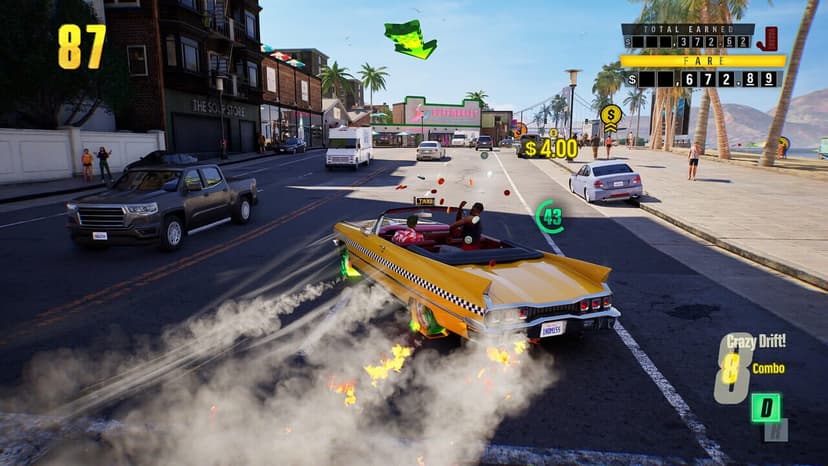
The reaction has been roughly what you would expect. Kotaku's coverage put it plainly, asking what a Crazy Taxi sequel could possibly need generative AI for when the original shipped in 1999 on a Dreamcast and worked fine. PC Gamer and GamesRadar ran the disclosure straight, with GamesRadar also noting the game has been knocked around by a roughly three-year delay before arriving at its current release window . The consensus across all three outlets is that players are not thrilled.
Here is the part worth paying attention to. Most AAA publishers caught using generative AI have either denied it, buried it, or coughed up an apology when a contractor's LinkedIn gave the game away. Sega is doing something different. They put it on the store page — no apology, no hedging language about "exploring" or "experimenting," just a disclosure. According to Kotaku, this is one of the first times a major studio has openly admitted to using generative AI for core assets and treated it as a normal line item.
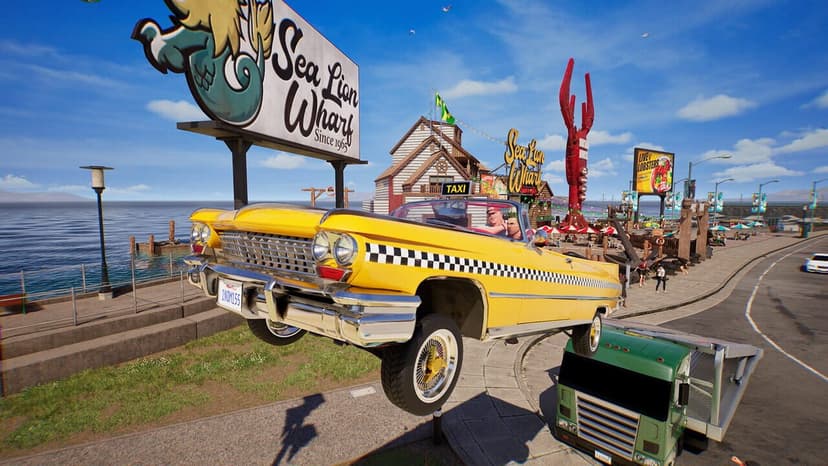
Whether that sets a precedent depends on how the next month goes. If World Tour reviews well and sells, every other publisher's legal department gets a clean template to copy. If it tanks, expect the disclosure to quietly disappear from future Steam pages while the practice continues anyway. The cynical read is that Sega's transparency here is less about ethics and more about Steam's disclosure requirements and the EU AI Act paperwork that nobody wants to litigate later.
The fan argument is harder to dismiss than the corporate one. Crazy Taxi is a game about driving a yellow cab into a Pizza Hut. The original's charm came from hand-built absurdity — specific storefronts, specific signs, a specific late-90s American strip-mall vibe rendered by people who were paying attention. Procedurally generated buildings are exactly the kind of thing that sounds fine in a pitch meeting and looks like wallpaper in motion.
Sega has not said which tools were used, how much of the environment was AI-assisted versus AI-generated, or whether any of the training data is something a court might eventually have opinions about. Those are the questions that actually matter, and they are the ones the Steam blurb politely declines to answer.
AI-assisted · Human reviewed
Drafted with AI assistance against Last Spawn's editorial standards, then reviewed and approved by the editorial desk before publication. How we work →

Queen's Blood Eats the Gold Saucer: What FF7 Revelation Interviews Just Revealed

Tupac's Estate Approved His Stranger Than Heaven Cameo. The Executor Who Signed Off Is Being Sued for Embezzlement